

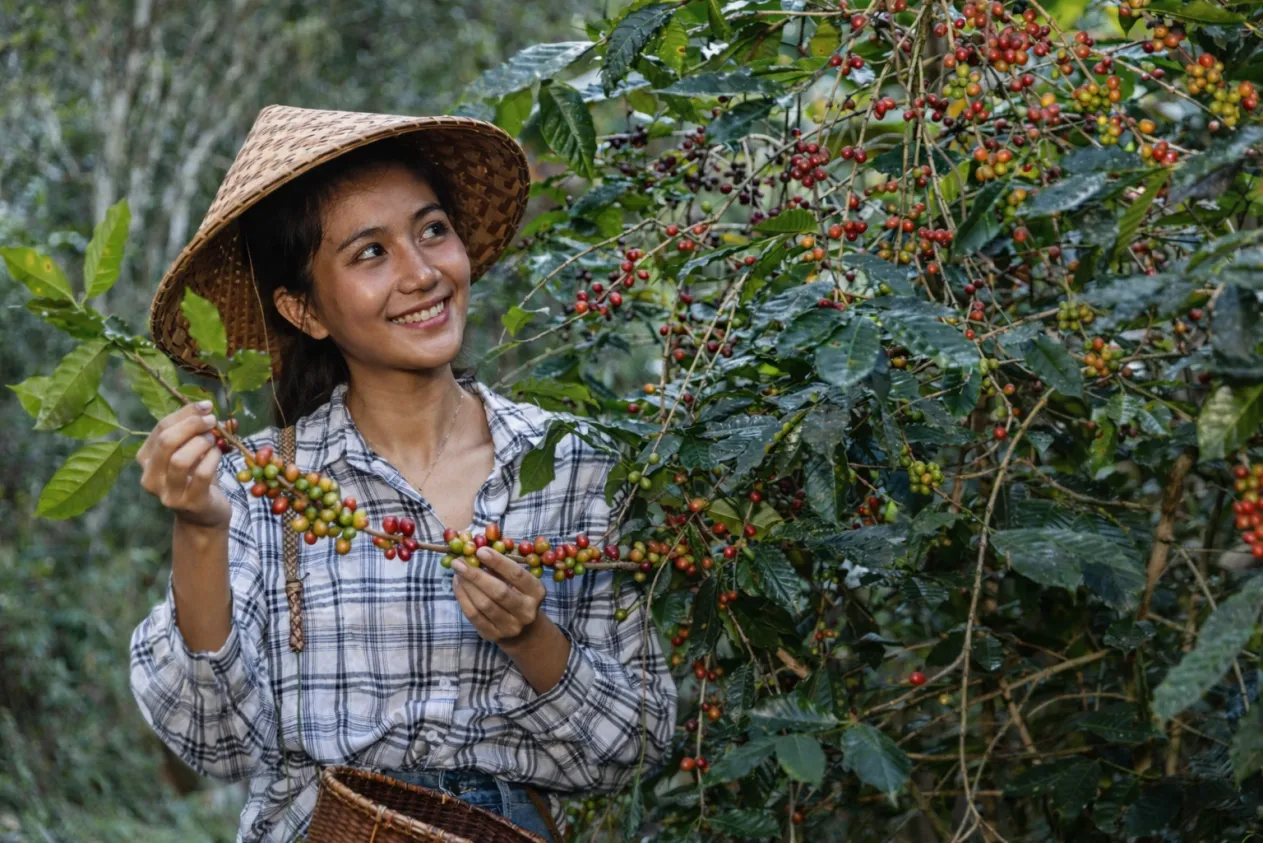
Indonesia has long been one of the world’s most important coffee-producing countries, yet many specialty coffee drinkers are only beginning to discover the remarkable diversity found across its islands. With thousands of islands stretching along the equator, Indonesia offers a wide range of climates, elevations, and volcanic soils that contribute to distinctive coffee profiles.
While the country is widely known for its traditional Sumatra coffees, the broader landscape of Indonesian coffee origins is far more complex. From the deep-bodied beans of Sumatra to the balanced profiles of Java and the vibrant character of Flores coffees, Indonesia continues to offer new discoveries for roasters and coffee enthusiasts alike.
A Coffee Landscape Shaped by Geography
Indonesia’s coffee-growing regions are spread across several islands, each producing beans with their own unique characteristics.
Sumatra remains one of the most recognized origins, famous for its bold body, earthy notes, and low acidity. These coffees are often used in espresso blends because they add depth and texture to the cup.
Moving east, Java Arabica coffees tend to offer a more balanced profile. Many roasters appreciate Java beans for their chocolatey sweetness and smooth body, making them versatile for both single-origin offerings and blended roasts.
Further east still, regions such as Flores and Bali have attracted attention in recent years for their brighter acidity and cleaner cup profiles. As more farmers adopt improved processing methods and specialty-focused harvesting practices, these regions continue to gain recognition among specialty roasters.
The Influence of Processing Methods
One of the distinctive aspects of Indonesian coffee is the processing method known as Giling Basah, or wet-hulling. This traditional technique is particularly common in Sumatra and contributes to the heavy body and earthy complexity associated with many Indonesian coffees.
However, Indonesian producers have increasingly experimented with alternative processing methods. Washed, honey, and natural processed coffees are now appearing more frequently from regions such as Bali, Flores, and Sulawesi.
These evolving processing techniques allow Indonesian coffees to express a wider spectrum of flavors, ranging from rich chocolate and spice to brighter fruit-forward notes.
Growing Interest from Specialty Roasters
As the specialty coffee market continues to expand, many roasters are exploring new origins that offer distinctive flavor profiles and reliable sourcing relationships. Indonesian coffees are increasingly finding a place in these sourcing strategies as more buyers begin exploring sourcing green coffee beans from Indonesia.
Part of this growing interest is driven by the diversity of Indonesian coffees themselves. The country’s varied microclimates create opportunities for roasters to work with a broad range of flavor characteristics within a single origin.
At the same time, improvements in post-harvest processing and quality control have helped many Indonesian producers reach higher specialty standards.
“We’ve seen more roasters becoming curious about Indonesian coffee beyond the traditional profiles they already know,” says Abhi, founder of AKAN Coffee, an Indonesian green coffee exporter working with producers across several regions of the country. “Many buyers are interested in exploring the diversity of Indonesian origins, from Sumatra to Flores.”

A Dynamic Future for Indonesian Coffee
Indonesia’s coffee sector continues to evolve as farmers, cooperatives, and exporters invest in improved quality practices. Greater attention to traceability, better processing infrastructure, and increased collaboration with international buyers have all contributed to raising the profile of Indonesian coffee in the specialty market.
For roasters seeking unique flavor experiences and new origin stories, Indonesia offers an extraordinary range of possibilities. With its combination of traditional processing techniques, diverse terroirs, and emerging specialty regions, the country remains one of the most intriguing coffee landscapes in the world.
As more coffee professionals explore these origins, Indonesian coffee will likely continue gaining recognition for both its heritage and its evolving role in the global specialty coffee scene.
For more information about Indonesian coffee supply and global sourcing opportunities, visit: https://akancoffee.com