

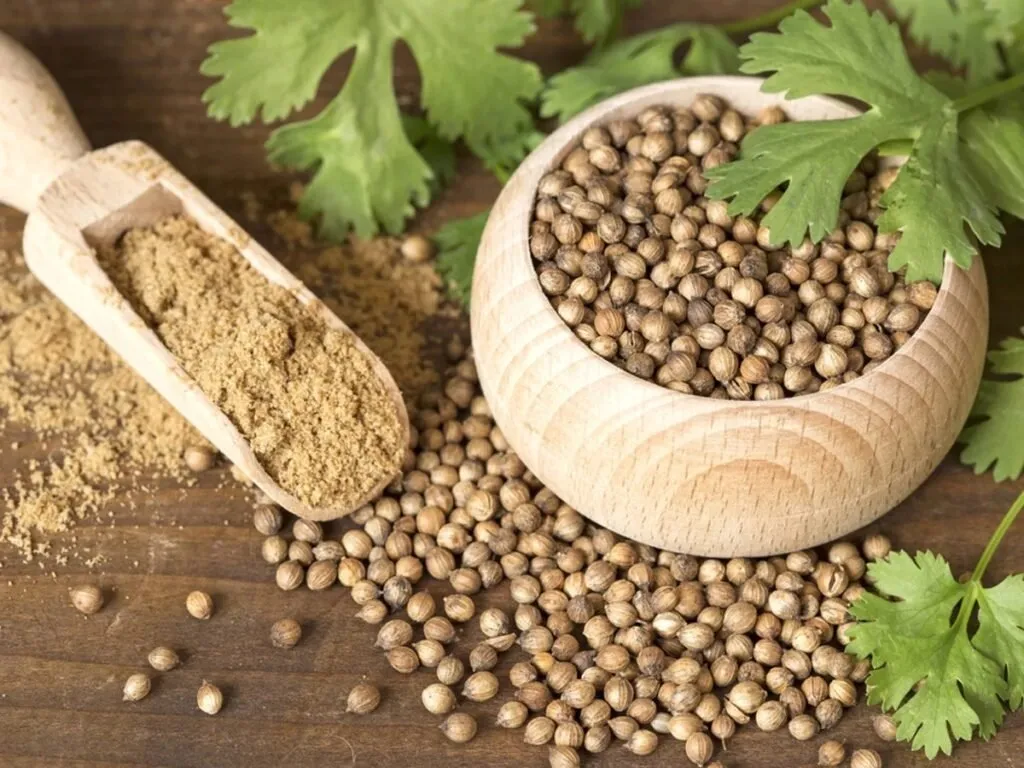
Coriander is used across spice blends, sauces, pickles, bakery products, processed foods, and ready-to-cook formulations. For businesses planning coriander seeds import India sourcing, the challenge is not simply finding available stock. Importers need to know whether the seeds match their required grade, whether quality can remain consistent across shipments, and whether the supplier can support the documentation and packaging needed for international trade. A structured buying process helps reduce avoidable delays while giving food manufacturers greater confidence in the ingredient entering production.
Define the Product Before Requesting Prices
Bulk buyers should begin with a clear product specification. Coriander seeds may look similar at first glance, but commercial requirements can vary according to how the ingredient will be used.
A retail packer may prioritise uniform appearance and cleanliness because customers can see the whole seed. A manufacturer that roasts and mills coriander may focus more on aroma, flavour, moisture, and performance after grinding. Spice blenders may also need a predictable flavour profile so one batch does not change an established recipe.
By defining the application first, procurement teams can compare quotations on a like-for-like basis rather than choosing only by price.
Evaluate More Than Appearance
Visual inspection is useful, but it should not be the only quality check. Buyers may need to review purity, foreign matter, moisture, damaged seeds, aroma, colour, and other parameters required by their own quality system.
Where microbiological or pesticide-residue requirements apply, these should be agreed before an order is placed. Destination-market rules may differ, so importers should confirm which tests and documents are relevant instead of assuming that one standard works everywhere.
An approved specification also makes repeat orders easier to assess. Incoming lots can be compared against the same expectations instead of being judged each time subjectively.
Use Samples in Real Production
A representative sample becomes more valuable when it is tested in the way the coriander will actually be used. If the seeds will be roasted, the trial should include roasting. If they will be ground into a seasoning blend, the buyer should evaluate aroma, flavour, and texture after milling.
Small production trials can reveal differences that are not obvious from raw seeds alone. They also allow product-development and quality teams to give procurement staff practical feedback before a large shipment is approved.
Keeping a reference sample or detailed trial notes creates a useful benchmark for future deliveries.
Verify the Exporter’s Credentials
Product quality and export readiness are related but separate issues. A supplier may offer a suitable sample while still needing to demonstrate that it can manage the commercial side of an international shipment.
When buyers consider an APEDA certified spice exporter, they should still verify the supplier’s current registrations, shipment documentation, invoicing details, and any certificates required for the destination market. Requirements can depend on the product, importing country, and buyer’s own compliance procedures.
Clear document checks before dispatch can reduce the chance of avoidable delays at customs or during receiving.
Plan Packaging for the Entire Journey
Coriander seeds may pass through several handling points between the supplier and the buyer’s factory. Packaging therefore needs to protect the ingredient throughout transport, unloading, warehousing, and internal movement.
Buyers should confirm pack weight, bag construction, liners where required, labelling, and batch identification before shipment. Warehouses should keep spices in clean, dry conditions and away from moisture or strong odours that could affect product quality.
Batch identification is especially useful for larger buyers because it connects inspection results and production feedback with a specific delivery.
Monitor Repeat Shipments
The real test of a supplier begins after the first successful order. Agricultural ingredients naturally vary between lots and seasons, but commercial buyers still need variation to remain within agreed limits.
Procurement teams can track incoming inspection results, packaging condition, delivery timing, and production performance across multiple shipments. If aroma, colour, or processing behaviour changes, the issue can be discussed before it becomes recurring.
This record also helps buyers evaluate suppliers on overall performance rather than simply on the initial quotation.
Conclusion
Importing coriander seeds successfully requires coordination between procurement, quality, logistics, and production teams. Buyers should define the intended use, establish measurable standards, test representative samples, verify export documentation, and confirm packaging before committing to larger orders. They should also assess suppliers across repeat shipments rather than relying on one strong sample. With a disciplined sourcing process, food businesses can reduce unnecessary variability and build a coriander supply chain that supports consistent manufacturing over the long term.